mexican palm tree root system
The palm tree root system tends to absorb moisture from the soil and keep the plant hydrated. Robustas very close to the spa.

Mexican Fan Palm Trees For Sale Fastgrowingtrees Com
It is possible however for.
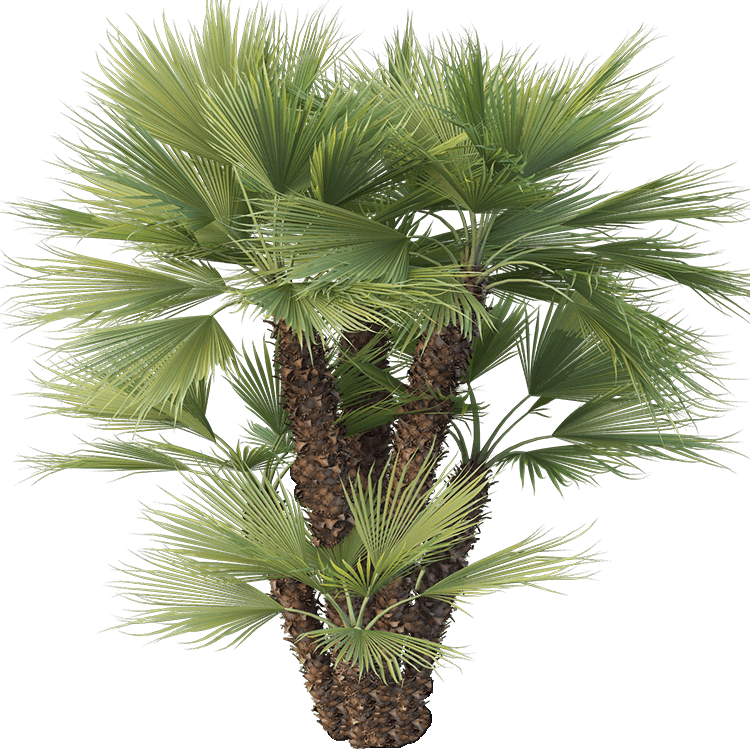
. The Mexican Fan Palm and Queen Palm are the most common varieties so they are not considered valuable. They actually cut through one side of. All the roots feed on the soil and expand to find sources of water.
They can tolerate both slightly alkaline and slightly acidic soil. THe closest is about 4 feet away. Posted February 11 2011.
Watering Water your Palm 2-3 times per week for the first month then once a week for the remainder of the first year after planting. All in all these factors add up to a tree not hardy enough to withstand years of exposure to the elements so any cottonwood you plant may come down sooner rather than later. If the soil is too wet the roots may begin to rot.
Expose your palm tree roots by pouring water to the ground. After the first three months water sparingly and only during hot dry periods as Mexican fan palm is susceptible to rot. Flowering is showy with three- to seven-inch.
Usually they remain with two feet of the trunk and venture down 3-4 feet. It is best. Keep the soil moist but well-drained watering more in times of drought and less when there is rainfall.
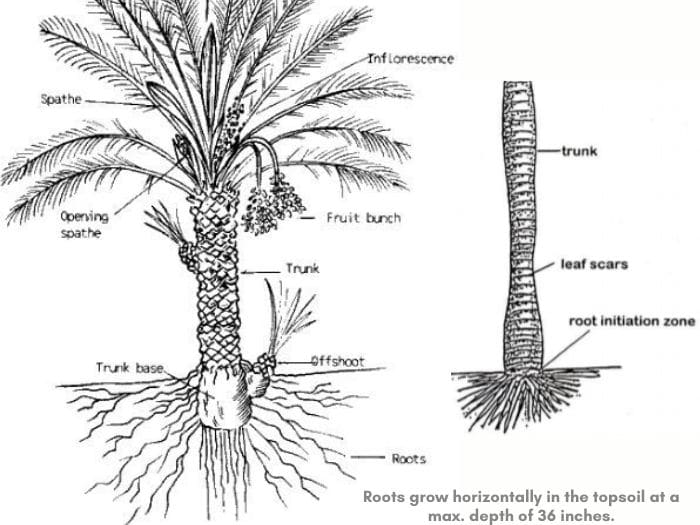
The roots of the fan palm are thin and fibrous and typically form a clump or network called a root ball instead of the primary root system that other plants have. Feed in early spring before new growth emerges. Water deeply regularly in first growing season to establish root system.
Mexican Palms are large trees often growing up to 30 feet on average. This is known as a taproot system and the roots that grow out are thinner than the main root. Mexican Palm Growth and Care Guide 1.
Tolerates periodic drought particularly in coastal regions. It prefers sunny sites with acidic soil. We can even see these roots if the tree is planted in shallow soil.
Palm tree roots are fibrous. They are native to the desserts in Northern. Water it deeply making sure that the soil is thoroughly soaked.
They are spread over the soil like a mat and penetrate nearly 36 inches of topsoil. The Mexican fan palms roots respond well to a moist well-drained environment. The Mexican Fan Palm Tree scientific name Washingtonia robusta is a very popular indoor and outdoor palm because of its striking appearance and cold hardiness which makes it a great choice for landscape in USDA zones 8b-11.
Check Out Our Amazon Affiliate Links Below Tree Stump Killer - httpsamznto2CQiBIyCopper Nail Spikes - httpsamznto2XlglT8Hand Axe - httpsamznto. Best wishes with your garden. The fibrous root system grows horizontally instead of vertically to support a tree.
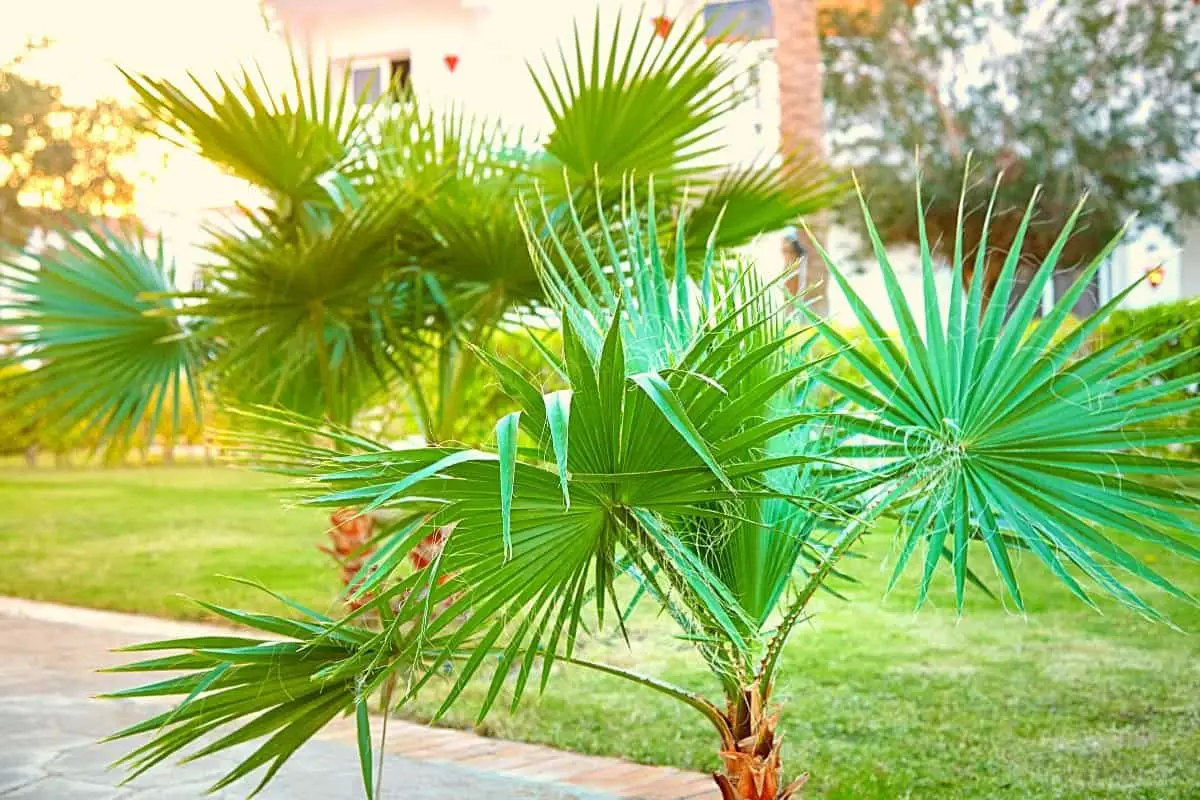
Mexican fan palms transplant easily and grow well in full sun to partial shade. They grow horizontally and remain narrow even as the plant grows taller. It also has a weak wood structure.
Its root system is aggressive shallow and rather pliant which makes the tree very unstable. The best soil to use is one that contains clay or loam and it may be acidic or alkaline. Roots form a root ball from the origination zone.
During the first four to six months keep the soil around the root ball moist. Once established reduce frequency. They like full sun to partial shade and well-draining sand to loam type soil.
Palm trees typically have root systems that grow down rather than out. Again to remove the palm tree in your garden here are the steps you can follow. Palm trees have fibrous root system The roots of the Palm are not deeply rooted in the soil.
Palm tree roots have a preference for sandy soil which makes them easy to uproot. Although roots do not grow to significant lengths compared to tall palm species they. Best wishes with your garden.
We consent this nice of Palm Tree Roots graphic could possibly be the most trending subject in the manner of we share it in google pro or facebook. We identified it from obedient source. The fan palm primary roots die off and as new roots sprout from the root initiation zone they become part of the root ball.
They grow at a rate of at least 3 feet 1 m per year. Once they reach about 30 feet 9 m in height they often begin to naturally drop their dead leaves meaning its not necessary to prune away. Its common for these roots to be visible above the ground.
In general most palms need sandy soils that provide a lot of air pockets and moisture for rapid root growth. Palm trees have a fibrous root system with the roots growing shallowly at a depth not exceeding 36 inches deep. The sparse see-through foliage of the Mexican palo verde is bright yellow green composed of thorny branchlets and six- to nine-inch-long compound leaves with many tiny leaflets.
Hey when we had our pool spa built in 2003 there were are 3 W. Do not overwater because if the soil is too soggy the palm will have a hard time taking root properly. Unlike other trees roots the palm tree roots depth does not grow as big as the palm tree.
Palm Tree Roots. Remove old foliage periodically. The bismarkia palm Bismarckia nobilis grows to 70 feet tall and has stiff blue-green fronds that grow in windmill formations around its single trunk.
While the root system palm trees are just beneath the topsoil with some even above ground they are still considered non-invasive. Usually the regular root system has one main big root from which many tiny roots reach out beneath the soil. These leaflets are shed quickly in drought or cold leaving just the midribs of each leaf persisting on the tree.
Provide average to lean well-drained soil in an area allows ample space for mature height. Lay the palm tree. Its submitted by admin in the best field.
Two palms in the Brahea genus have low root damage potential. Mexican Palms are hardy in USDA zone 9-11 and sunset zones 8-24. Plant fan palm trees 6 to 8 feet apart to prevent the root balls from entangling in the soil.
This is a cold-hardy drought-resistant and inexpensive palm that doesnt require a lot of maintenance. I cant say whether or not the roots will interfere with your septic system - it depends upon how close you plant your palm. After exposing the root system use a pruning saw and cut the roots.
For preventing the plant from yellowing the roots of the palm trees absorb essential minerals like manganese iron and magnesium. The roots stay thin and regularly regenerate. The ball system means the trees roots do not take up much space and you can transplant the tree.
Sunlight Plant your Mexican Fan Palm in an area that receives full sun 6-8 hours of direct sunlight per day. This tree also has a combination of undesirable root characteristics. Here are a number of highest rated Palm Tree Roots pictures on internet.
The roots grow along with the tree by spreading themselves horizontally across the soil. Once the Mexican fan palm is successfully planted it will need a thorough watering. May 30 2006.

Coconut Tree Vs Palm Tree What S The Difference Plants Craze

Washingtonia Filifera Wikiwand

Root System Of Palm Trees Studiousguy
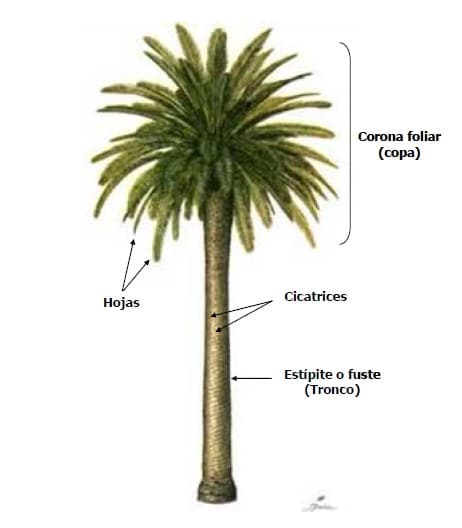
Are Palm Tree Roots Dangerous Gardening On
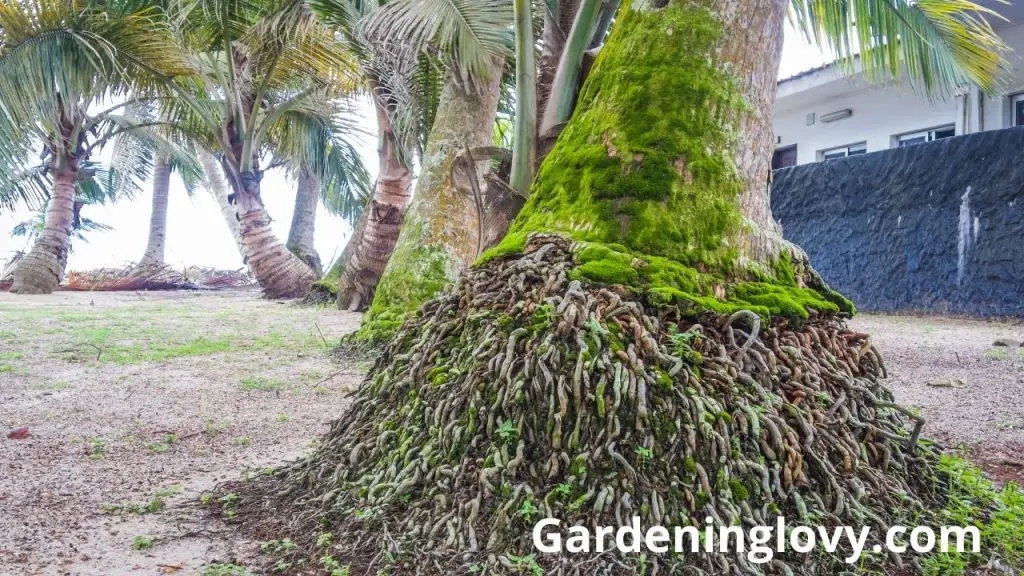
How Deep Palm Tree Roots Grow Potential Damages Fixes

Root System Of Palm Trees Studiousguy
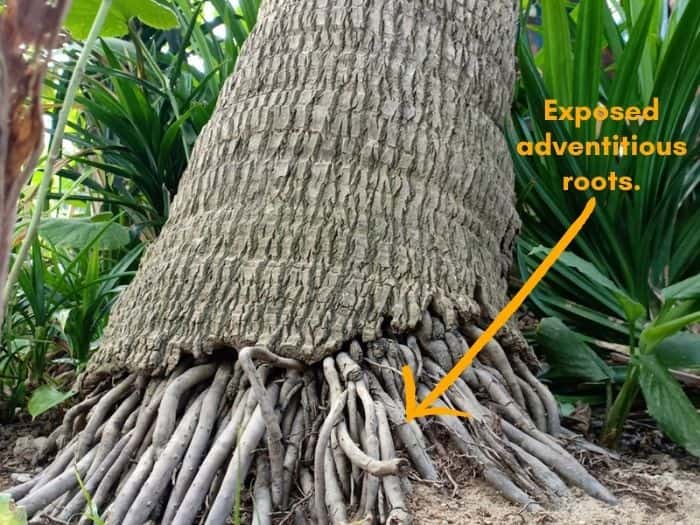
Palm Tree Roots How Deep Do They Grow Facts Gardenine
Can I Cut A 3 Foot High Palm Tree Roots Close To The Trunk For Transplanting Quora
/european-fan-palm-plant-profile-4845721-hero-01-ff7c77a289fa4dbfb5c0b3e84a8c9d6e.jpg)
European Fan Palm Plant Care Growing Guide
Palm Trees Of The Southwest Guzman S Garden Centers
What Options Are Available When Palm Tree Roots Dig Up Concrete Slabs Quora
Palm Tree Roots How Deep Do They Grow Facts Gardenine
What S Involved In Maintaining A Palm Tree Quora

Root System Of Palm Trees Studiousguy
How Long Does It Take For Palm Trees To Grow Gardening Dream

Arecaceae An Overview Sciencedirect Topics
/CaliforniaFanPalms-d2b733f49fe44698b0fae64bcf4c97de.jpg)
How To Grow Washingtonia Filifera California Fan Palm
Can A Palm Tree Be Planted Next To The Pond Terrace Swimming Pool La Palmeraie Gb
Windmill Palm Trees How To Plant A Windmill Palm Tree